Cavity Wall vs External Wall Insulation
Two very different solutions for the same problem. This guide explains which type of wall insulation suits your home, your budget and the SEAI grants available to you.
Choosing the right option
Same goal, different approach
Ireland's older housing stock splits roughly into two categories: homes with cavity walls built from the 1930s onwards, and older solid-wall homes, mostly pre-1930, where the inner and outer leaf of brick or stone are built as one mass. The insulation solution depends entirely on which type of wall you have.
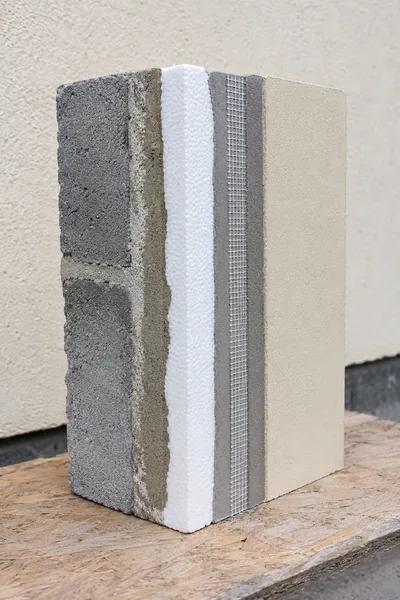
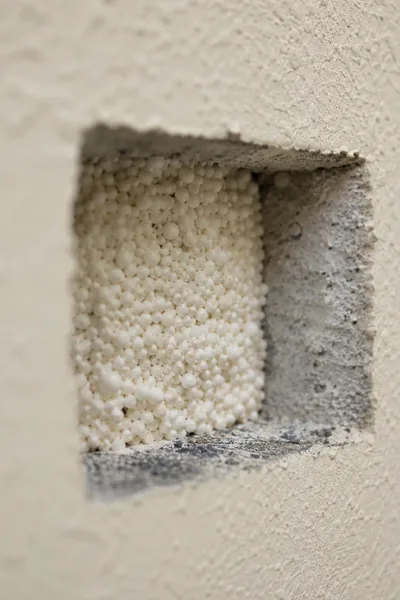
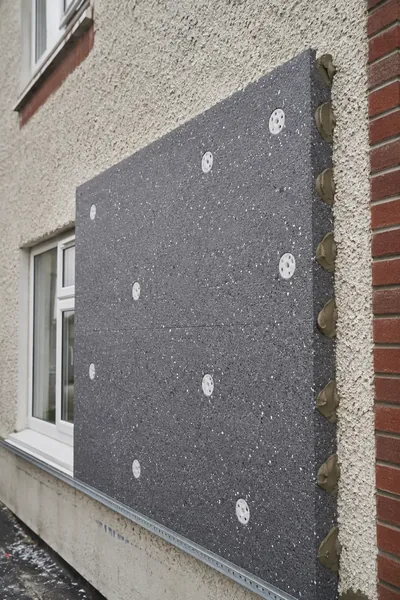
Cavity wall insulation fills the existing void between the two leaves. It is fast, affordable, and minimally disruptive. External wall insulation (EWI) wraps the outside of the building in a layer of insulation board and render. It works for both wall types but is essential for solid walls where there is no cavity to fill.
Both options attract SEAI grants under the Better Energy Homes scheme. The grant values differ significantly, reflecting the cost difference between the two measures. A cavity fill typically takes a few hours; an EWI project on a semi-detached house usually runs to a week or more.
- Cavity fill: fast, low-cost, no exterior change
- EWI: works on any wall type, larger thermal improvement
- Both qualify for SEAI Better Energy Homes grants
- Wall type determines which option is available to you
Identifying your wall type
How to check what type of wall you have
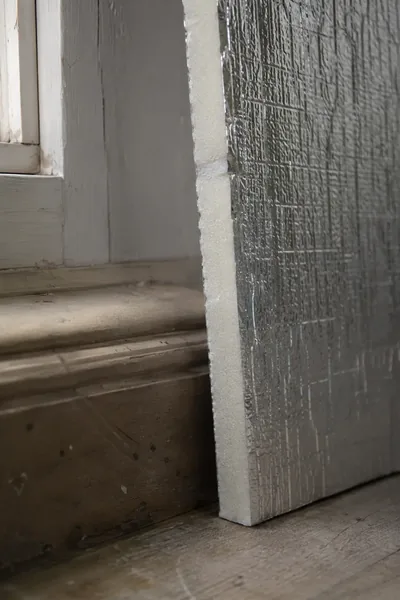
The quickest check is to measure the wall thickness at a window or door reveal. Stand inside and measure from the inner plaster surface to the outer render or brick face. A wall under 260mm is almost certainly a solid wall. A wall of 260mm or more usually has a cavity, though thickness alone is not conclusive.
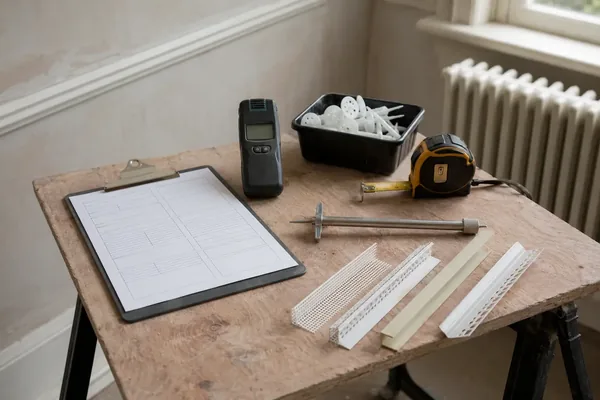
A BER assessor can confirm wall type as part of a home energy assessment. Many insulation contractors also offer a free survey that includes a borescope camera inspection of the cavity to check its condition, what is already in there, and whether it is suitable for filling.
Age is a useful guide but not reliable by itself. Some 1940s houses in Dublin were built solid wall for fire protection. Some 1920s rural cottages were built with a narrow cavity. If in doubt, get a proper survey before booking either measure.
- Measure wall thickness at window reveal: under 260mm suggests solid wall
- A BER assessor or contractor can confirm with a borescope camera
- Post-1930 Irish homes are typically cavity wall; pre-1930 are usually solid
- Some exceptions exist: get a survey if age or thickness is ambiguous
Side by side
Cavity wall vs external wall insulation: the full comparison
Use this table to compare both options across the criteria that matter most for Irish homeowners in 2026.
| Factor | Cavity Wall Insulation | External Wall Insulation (EWI) |
|---|---|---|
| Wall type required | Cavity walls only (post-1930) | Any wall type including solid walls |
| Typical cost (semi-d) | €1,200 to €2,000 | €12,000 to €20,000 |
| SEAI grant (2026) | Up to €1,700 | Up to €8,000 |
| Net cost after grant | Approx. €300 to €800 | Approx. €4,000 to €12,000 |
| Installation time | 3 to 6 hours | 5 to 10 days |
| Exterior appearance | No change | New render, brick slip, or cladding finish |
| BER improvement | 1 to 2 grades typical | 2 to 3 grades typical |
| Planning permission | Not required | Exempt in most cases; check for protected structures |
| Disruption during work | Minimal: small drill holes repaired on the day | Significant: scaffolding, exterior access needed for 1 to 2 weeks |
| Condensation risk | Low if cavity is dry and suitable | Very low: insulation is on the outside, wall stays warm |
| Long-term durability | 25 to 35 years for beads | 30 to 40 years for EWI system |
| Best for | Post-1930 cavity wall homes on a tight budget | Solid wall homes or anyone wanting maximum thermal improvement |
SEAI Better Energy Homes 2026
SEAI grants for both options
Both cavity wall and external wall insulation qualify under the SEAI Better Energy Homes scheme. You must use a registered SEAI contractor to receive the grant. The scheme is demand-led and grant amounts are subject to annual review.
- Apply through SEAI before work begins
- Contractor must be on the SEAI approved list
- Grant paid directly to the contractor, reducing your invoice
- Stack with attic insulation grant to increase the total
- One application per property, multiple measures allowed
Not sure which option suits your home?
A free survey from a registered contractor will confirm your wall type and the right solution.
Choose cavity wall insulation if
- Your home was built after 1930 and has a dry, clear cavity
- Budget is the priority: net cost after grant is under €1,000
- You do not want to change the exterior appearance
- You want the work completed in a single day
- A survey confirms the cavity is suitable (gap of 50mm or more)
- You are combining it with a new attic insulation grant
Choose external wall insulation if
- Your home has solid walls with no cavity (pre-1930 typically)
- The cavity is bridged, damp, or unsuitable for filling
- You want the maximum possible BER improvement
- You are planning a deep retrofit or near-zero energy upgrade — typically combined with a heat pump installed by a RECI-registered electrician
- You want to refresh or reclad the exterior at the same time
- You are targeting an A or B BER for resale value
Energy savings
What you can expect to save
Savings depend on your current wall U-value, your heating system, and how airtight the rest of the building is. These figures are indicative for a typical 3-bedroom semi-detached house in Ireland heated by gas or oil.
Common questions
Cavity vs EWI: your questions answered
How do I know if my home has a cavity wall?
Most Irish homes built after 1930 have cavity walls. Measure the wall thickness at a window or door reveal: under 260mm usually means solid wall. A BER assessor or contractor can confirm with a borescope camera survey.
What if my cavity is already partially filled?
Partial fills from an earlier job can often be topped up with bead or blown fibre. An installer will use a borescope to check the existing fill before recommending a top-up or full refill.
Can I get a grant for both measures on the same house?
Not for the same wall. If your home has both solid and cavity sections, you could claim each grant for the relevant wall area. An SEAI assessor would need to confirm each wall type first.
Does EWI require planning permission?
Most EWI installations on standard houses are exempt under Article 6 of the Planning and Development Regulations. Exceptions apply to protected structures and certain conservation areas. Your installer will confirm before work starts.
Which option gives a better BER improvement?
EWI typically delivers a larger BER uplift because it eliminates more thermal bridging and allows a thicker insulation layer. Cavity insulation is faster and cheaper but still provides a meaningful BER improvement if the cavity is suitable.
Will my house look different after EWI?
Yes. EWI adds 80 to 150mm to external wall surfaces and finishes with render, brick slip, or cladding. Most homeowners see the refreshed exterior as a bonus, but the appearance does change. Cavity insulation leaves the exterior untouched.
Find local installers
Insulation contractors by county
Get quotes from approved SEAI contractors in your area. All contractors in our network are vetted and registered.
Related guides
More insulation guides
Ready to insulate your home?
Get free quotes from SEAI-registered contractors in your county. No obligation, results within 24 hours.
Find a wall insulation contractor near you
Browse SEAI-registered installers across all 26 counties. Get free quotes and check your grant eligibility before you call.