
Floor Insulation in Ireland
How floor insulation works, what it costs in 2026 and how to claim the SEAI grant of up to €1,800.
Floor insulation: stop the heat you are already paying for escaping downwards
Up to 15 percent of heat in an older Irish home is lost through an uninsulated floor. For homes with suspended timber floors, this is one of the simplest and most cost-effective upgrades available, and the SEAI grant often covers the full cost.
Many Irish homeowners focus on walls and attics and overlook the floor entirely. Cold draughts from below, chilly feet on winter mornings, and higher-than-necessary heating bills are all symptoms of an uninsulated ground floor.
What happens during a floor insulation job
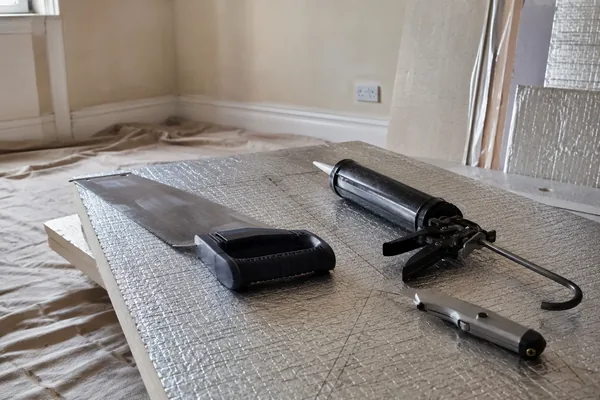
For suspended timber floors (the most common type in pre-1970s Irish homes), insulation boards or mineral wool batts are fitted between the floor joists from below, where there is a void beneath the floorboards. In some cases access is from above, with floorboards temporarily lifted.
For solid concrete ground floors, rigid PIR insulation boards are laid across the slab and covered with a new screed or floating floor. This is a more extensive job that typically involves raising floor levels slightly, which must be coordinated with door thresholds and kitchen units.
- Suspended timber: insulation fitted between joists in the underfloor void
- Solid concrete: PIR board over slab, new screed or floating floor above
- No disruption to room use during works where access is from below
- Underfloor ventilation maintained to prevent moisture build-up
- Floorboards re-fixed and checked on completion
How much does floor insulation cost in Ireland?
Prices depend heavily on floor type (suspended timber or solid slab) and the ease of access to the underfloor void. Prices below are indicative 2026 figures.
Solid concrete floor insulation is substantially more expensive due to the screeding works required. Get at least two quotes from SEAI-registered contractors.
SEAI grant: up to €1,800 in 2026
The Better Energy Homes scheme pays a grant for suspended timber floor insulation. The grant is deducted directly from your invoice by your SEAI-registered contractor.
- Floor insulation: up to €1,800 per dwelling
- Applies to suspended timber floors (SEAI scheme)
- Your home must have been built and occupied before 2011
- Work must be carried out by an SEAI-registered contractor
- Can be combined with attic and wall insulation grants
Find an SEAI-approved floor insulation contractor
All contractors in our directory are SEAI-registered. Browse by county, enquire directly, no middleman.
How do I know what type of floor I have?
The two main ground floor types in Irish homes are suspended timber (a wooden floor with a void beneath) and solid concrete slab. Homes built before about 1970 very commonly have suspended timber floors. Post-1970s homes more often have solid concrete.
To check, look for an air brick or ventilation grille on the outside wall at ground level: this is a strong indicator of a suspended timber floor with a ventilated sub-floor void. Alternatively, a contractor can lift a corner of a floorboard and inspect directly.
- Air bricks on the external wall indicate a suspended timber floor
- Hollow sound when tapping the floor suggests a timber void below
- Solid concrete floors feel very firm and have no flex
- SEAI grant applies specifically to suspended timber floor insulation
What to expect during floor insulation
For suspended timber floors where underfloor access is good (a crawl space of at least 450mm), the contractor works from below entirely. The floor surface above is undisturbed and rooms can typically remain in use.
Where there is no underfloor access, floorboards are lifted room by room, insulation is installed between the joists, and boards are re-laid. This takes longer and the rooms need to be clear of furniture. For solid concrete floors, the room must be vacated while screed is poured and cures.
- Good underfloor access: contractor works below, no room disruption
- No underfloor access: boards lifted, insulated, re-fixed
- Solid concrete: room vacated while screed poured and cures
- Post-works inspection and certificate issued
How much will you save with floor insulation?
Floor insulation eliminates cold draughts and reduces conductive heat loss through the ground floor, typically cutting heating bills by 8 to 15 percent for homes where the floor was previously uninsulated. The comfort improvement (no cold feet in winter, no draughts) is often felt immediately.
Combined with attic and wall insulation, floor insulation completes the thermal envelope of the home. Many homeowners who complete all three upgrades find they can turn their heating down by several degrees and still maintain the same comfort level throughout the winter.
See full 2026 cost guideFrequently asked questions
What insulation material is used for floor insulation?
Suspended timber floors are typically insulated with rigid PIR or EPS boards cut to fit between the joists, or with mineral wool batts held in place by netting. Solid concrete floors use rigid PIR boards overlaid with a screed or floating chipboard deck.
Will floor insulation cause damp or rot?
Not if installed correctly. Underfloor ventilation must be maintained for suspended timber floors to prevent moisture build-up. SEAI-approved contractors ensure that existing air bricks are not blocked and that adequate ventilation is maintained throughout.
Does the SEAI grant cover solid concrete floors?
The standard SEAI Better Energy Homes grant applies to suspended timber floor insulation. Solid concrete floor insulation may qualify under other SEAI schemes such as the One Stop Shop programme. Your contractor can advise on which pathway applies.
Can I combine floor insulation with other grants?
Yes. The floor insulation grant can be combined with attic, wall and heating system grants under the SEAI Better Energy Homes scheme. Completing multiple upgrades in one application is both practical and financially efficient. If your project includes a heat pump or electrical heating upgrade, you will need a RECI-registered electrician for that element.
How much underfloor space is needed for works?
A crawl space of at least 450mm allows a contractor to work comfortably from below without lifting floorboards. Where space is tighter, boards must be lifted from above. Your contractor will assess access during the pre-works survey.
Will my floor height change?
For suspended timber floors insulated from below, no: the floor surface height is unchanged. For solid concrete floors insulated from above, the floor level rises by the thickness of the insulation board plus the screed, typically 80mm to 130mm. This must be considered for door thresholds and fitted kitchen units.
Find floor insulation contractors by county
All contractors are SEAI-registered under the Better Energy Homes scheme.


Browse SEAI-approved floor insulation contractors near you
Free directory across all 26 counties. Contact approved floor insulation installers directly, no middleman, no fee.
Free to use. No sign-up required.
Find a wall insulation contractor near you
Browse SEAI-registered installers across all 26 counties. Get free quotes and check your grant eligibility before you call.