Insulation Costs Ireland 2026
Real prices for every type of home insulation in Ireland, with SEAI grant amounts, net costs after grant, and typical payback periods updated for 2026.
2026 Irish insulation prices
What insulation actually costs in Ireland
Insulation costs in Ireland range from a few hundred euro net (after grant) for attic insulation, to €12,000 or more for a full external wall insulation project on a larger home. The wide range reflects the differences in material, labour, access, and building type.
The good news is that SEAI grants significantly reduce the out-of-pocket cost for every major type of insulation. For cavity wall insulation, the grant can cover the entire cost of the work, leaving some homeowners with a net cost close to zero. For external wall insulation, the €8,000 grant makes a substantial dent even though the project cost is higher.
VAT on residential insulation in Ireland is 9%, which is already below the standard 23% rate. Prices quoted below are inclusive of VAT and reflect typical market rates in 2026. Individual quotes will vary based on your location, house size, wall condition, and the contractor selected.
- SEAI grants deducted directly from your invoice at point of sale
- 9% VAT rate applies to all residential insulation work
- Prices reflect 2026 market rates for Ireland
- Combining measures in one project reduces total mobilisation cost
What drives the price
Why insulation costs vary so much
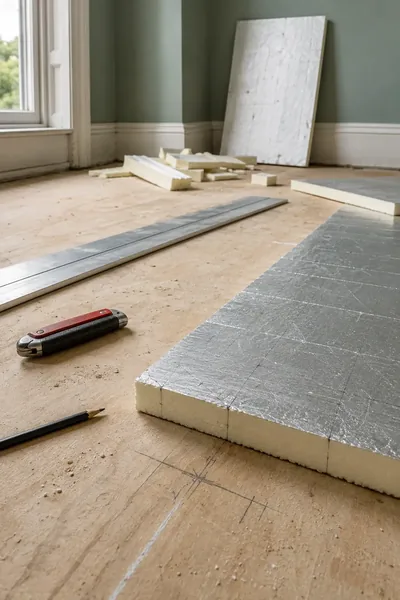
Two identical houses on the same street can receive quotes that differ by thousands. The main drivers of cost are the insulation type, the size of the treated area, access (scaffolding, tight reveals, awkward eaves), material specification, and the contractor's overheads and margin.
For EWI in particular, the wall condition matters a great deal. A wall that needs crack repair, repointing, or mould treatment before insulation can be applied will add to the labour cost. Some contractors include preparation in their quote; others price it separately.
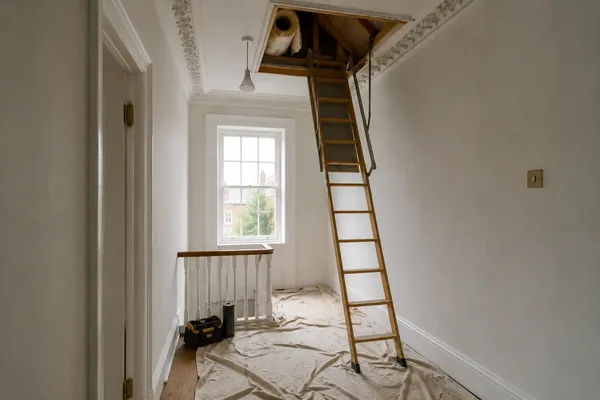
Attic insulation is the least expensive measure because the labour is relatively straightforward and the material cost (mineral wool roll) is low. Floor and wall insulation are more complex, which is reflected in the higher prices.
- Insulation type is the biggest single cost driver
- Wall area treated determines material cost
- Access and prep work can add to the total significantly
- Combining multiple measures reduces per-measure cost
2026 price guide
Insulation costs by type: Ireland 2026
All prices are for a typical 3-bedroom semi-detached house. Actual costs will vary. Grant amounts are per the SEAI Better Energy Homes scheme as of 2026.
| Insulation Type | Typical Cost (semi-d) | SEAI Grant | Net Cost After Grant | Payback Period |
|---|---|---|---|---|
| Cavity Wall Insulation | €1,200 to €2,000 | €1,700 | €0 to €300 | Under 2 years |
| Attic Insulation | €600 to €1,200 | €1,500 | €0 to €200 | 2 to 3 years |
| Floor Insulation | €1,500 to €3,000 | €1,800 | €0 to €1,200 | 4 to 7 years |
| Dry Lining (internal) | €4,000 to €8,000 | €4,500 | €0 to €3,500 | 6 to 10 years |
| External Wall Insulation | €12,000 to €20,000 | €8,000 | €4,000 to €12,000 | 10 to 18 years |
| EWI + Attic (combined) | €13,000 to €22,000 | €11,000 | €2,000 to €11,000 | 8 to 15 years |
| Cavity + Attic (combined) | €1,800 to €3,200 | €3,200 | €0 to €500 | Under 3 years |
SEAI Better Energy Homes 2026
How SEAI grants reduce your cost
Grants are paid directly to your contractor. You pay only the net amount at the end of the project. To qualify, you must use a contractor registered on the SEAI approved list and apply before work begins.
- Register your grant application before work starts
- Contractor must be SEAI-registered
- Grant deducted at invoice stage, you pay the balance only
- One application per property, all measures included
- Grant amounts reviewed annually; 2026 amounts apply now
Get accurate quotes for your home
Prices vary by contractor and house size. Free quotes from SEAI-registered installers in your county.
Price factors
What affects insulation cost in your home
House size and wall area
Material cost scales directly with the area being treated. A detached house has a larger external wall area than a terraced house of the same floor plan, so EWI costs significantly more for detached properties. Always confirm whether a quote covers all elevations.
Access and scaffolding
EWI on a two-storey house requires scaffolding, which adds €800 to €1,500 to the project. Ground-floor-only work or single-storey extensions are cheaper to treat. Tight side passages or built-over garages can also increase labour time.
Wall condition and prep
Cracked render, damp patches, or mould must be treated before insulation is applied. Some contractors include prep in their quote; others price it separately. Ask for a survey report that identifies any prep work before you accept a quote.
Insulation specification
EWI systems vary from standard 80mm EPS board to premium 150mm graphite-enhanced EPS or PIR boards. Thicker and higher-performance boards cost more but deliver better U-values and may qualify for deeper grant support under a one-stop-shop model.
Finish type for EWI
The exterior finish chosen significantly affects EWI price. Thin-coat silicone render is the standard and the most affordable. Brick slip or natural stone cladding can add €3,000 to €6,000 to a semi-detached house but dramatically changes the exterior appearance.
Location in Ireland
Labour rates vary between urban and rural areas. Dublin, Cork, and Galway city typically carry a 10 to 15% premium on labour compared to rural counties. Material costs are broadly similar nationally, though delivery charges apply to remote areas.
Return on investment
Savings and payback at 2026 energy prices
Energy prices in Ireland rose sharply between 2021 and 2023 and have partially retreated since. Even at current 2026 rates, insulation delivers a strong return, particularly when the net cost after grant is low.
Cavity wall insulation on a house previously losing heat through uninsulated walls can reduce annual heating bills by €150 to €250. EWI on a solid wall home can reduce bills by €400 to €700 per year. These figures are for gas-heated homes; oil-heated homes tend to see larger absolute savings. Combining wall insulation with attic insulation in one SEAI application gives the highest combined grant. If you are also planning roof repairs or replacing slates ahead of an EWI job, find a registered roofer at roofersinireland.ie.
Common questions
Insulation cost questions answered
How much does insulation cost in Ireland in 2026?
Cavity wall insulation for a semi-d typically costs €1,200 to €2,000 before the €1,700 grant. EWI ranges from €12,000 to €20,000 before the €8,000 grant. Attic insulation is €600 to €1,200 before the €1,500 grant.
Are insulation prices fixed or negotiable?
Prices are not fixed. They vary between contractors and depend on house size, access, wall condition, and materials. Get at least three quotes from SEAI-registered contractors to ensure a fair price for your specific home.
Do SEAI grants reduce my price or do I claim back?
Grants are deducted directly from your invoice. You pay only the net amount at the end of the project. The contractor claims the grant from SEAI. You do not pay upfront and wait for a refund.
Can I combine grants for multiple measures?
Yes. SEAI allows multiple measures in one application. Cavity wall plus attic gives a combined grant of up to €3,200. EWI plus attic gives up to €11,000. Combining measures also reduces total mobilisation cost.
Is insulation a good investment in Ireland?
Yes, particularly after grants. Cavity wall insulation can pay back within 2 years at 2026 energy prices. EWI takes longer to pay back but delivers a larger improvement and can increase resale value. A D to B BER uplift adds significant value in Dublin and Cork.
Do insulation costs include VAT?
Insulation in residential properties qualifies for the reduced 9% VAT rate in Ireland. Always confirm whether a quote is ex-VAT or inclusive before comparing prices from different contractors.
Find local installers
Get quotes by county
Compare prices from SEAI-registered contractors in your county. Free, no obligation.
Related guides
Dig deeper into each type
Cavity Wall Insulation
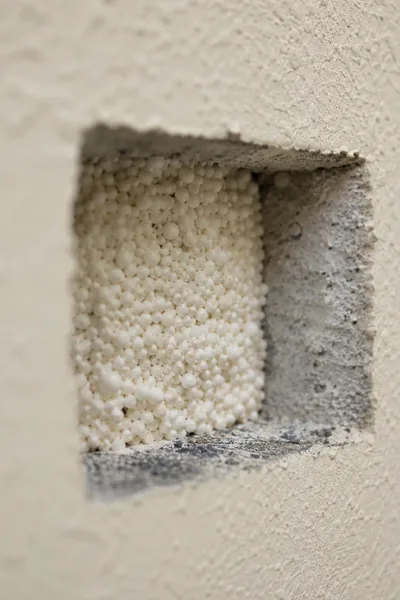
Costs and grants for cavity bead injection.
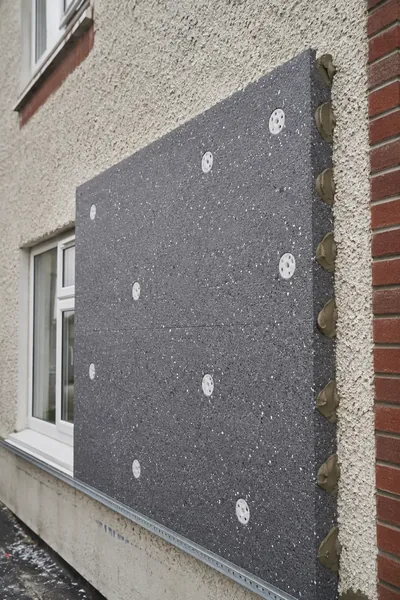
External Wall Insulation
EWI boards, render finishes and the €8,000 grant.
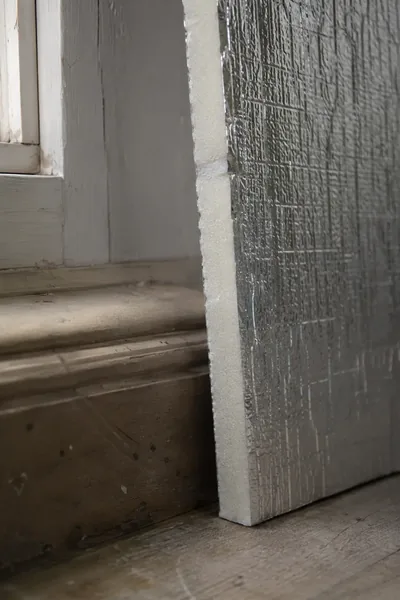
Dry Lining Insulation
Interior option for solid walls without exterior change.
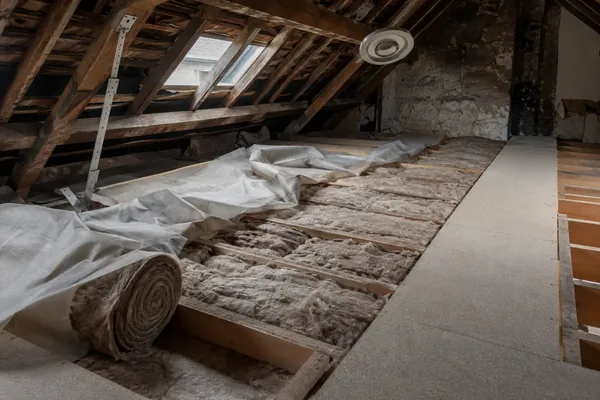
Roof Insulation
Attic insulation: the highest-return first step.
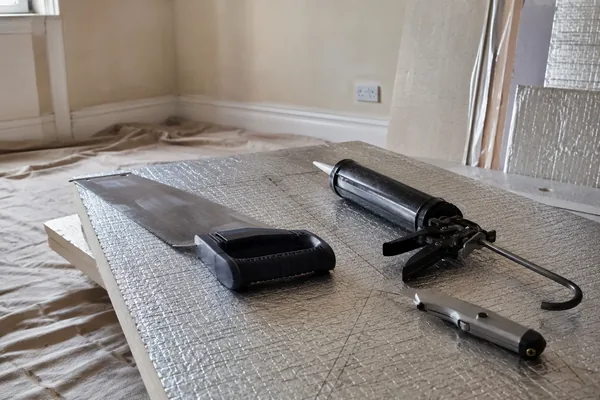
Floor Insulation
Suspended timber floors and the €1,800 SEAI grant.
SEAI Grant Application
Step-by-step guide to applying for your grant.
Compare quotes in your area today
Free quotes from SEAI-registered contractors. No obligation, reply within 24 hours.
Find a wall insulation contractor near you
Browse SEAI-registered installers across all 26 counties. Get free quotes and check your grant eligibility before you call.