Dry-Lining Insulation in Ireland
How internal dry-lining works, what it costs in 2026 and how to claim the SEAI grant of up to €4,500.
Dry lining: the wall upgrade for solid-wall homes that keeps works inside
Dry lining bonds rigid insulation boards to the internal face of external walls, then skims with plasterboard to give a warm, ready-to-decorate surface. It is the internal alternative to EWI for solid-wall homes and is widely used across older Irish properties where external works are not practical.
Unlike external wall insulation, dry lining requires no scaffolding and causes no change to the outside appearance of your home. The trade-off is a small reduction in internal room size on each external wall treated.
What happens during a dry-lining installation
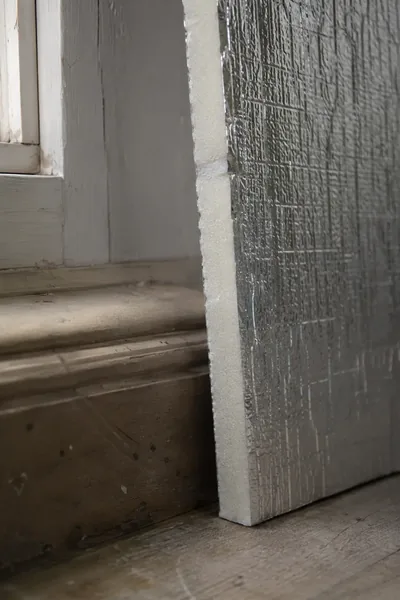
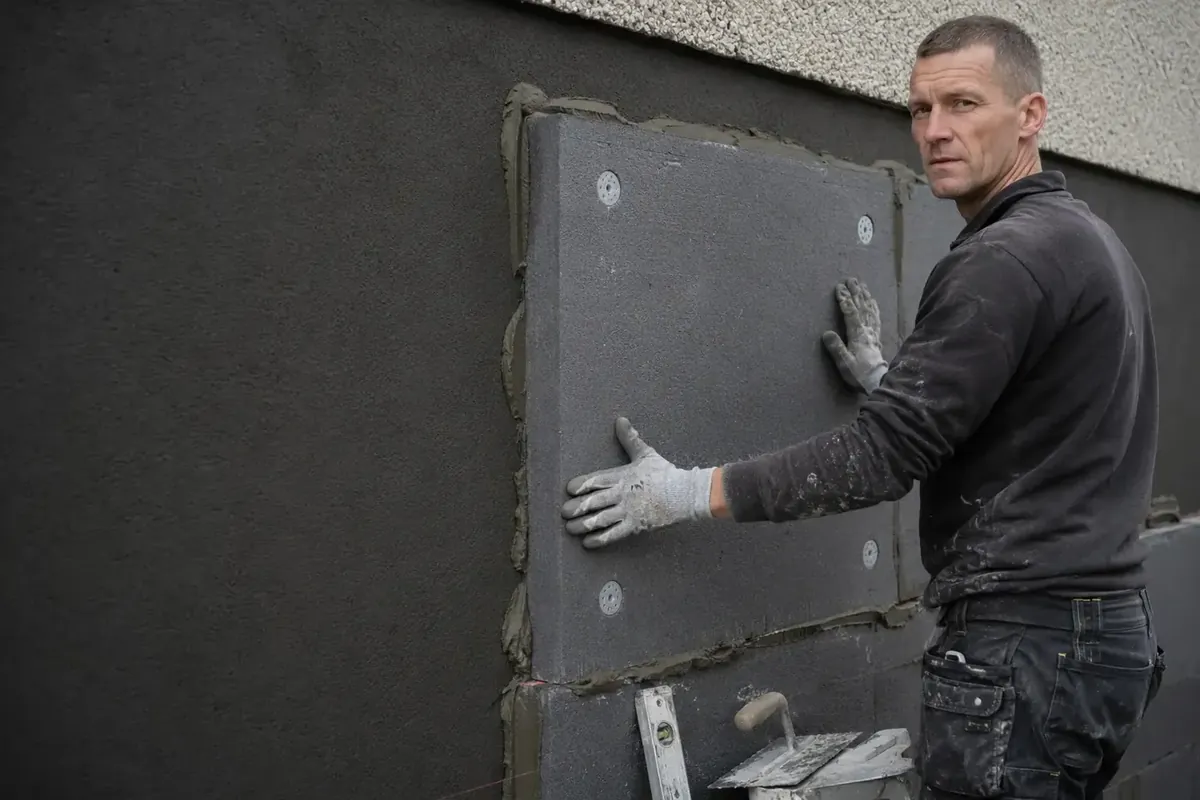
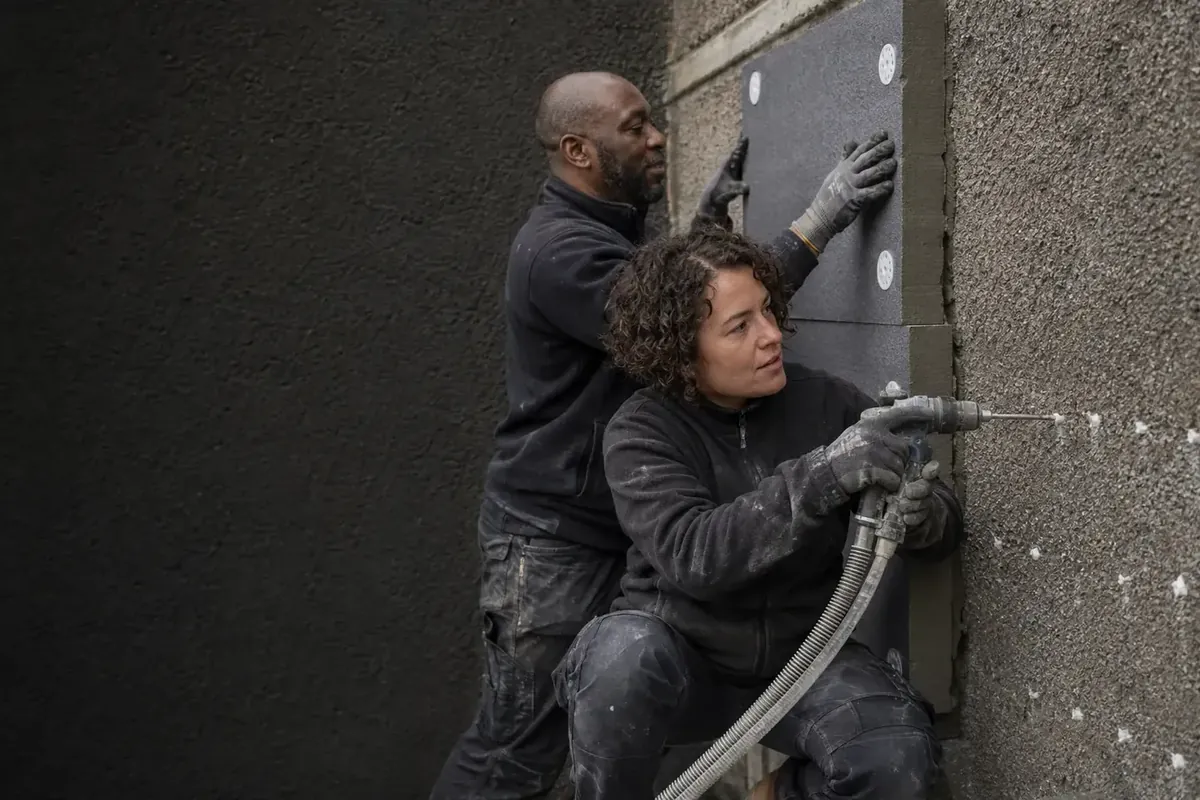
Rigid insulation boards (typically PIR or EPS backed with plasterboard) are fixed to the internal face of external walls using adhesive dabs or a timber/metal batten framework. The boards are taped at joints, and the surface is finished ready for painting or wallpapering.
Skirting boards, window reveals, electrical sockets and radiators are removed and repositioned to sit flush with the new wall surface. The work is carried out room by room, so disruption is contained to one area at a time.
- PIR or EPS insulation boards fixed to internal wall face
- Plasterboard skim finish, ready to decorate
- Skirting, sockets and radiators repositioned
- Rooms treated one at a time to contain disruption
- No external scaffolding, no change to outside appearance
How much does dry-lining insulation cost in Ireland?
Dry lining typically costs more than cavity fill due to the internal fit-out work involved, but the SEAI grant significantly reduces the net cost. Prices below are indicative 2026 figures.
Costs vary by home size, number of external walls treated and access conditions. Get at least two quotes from SEAI-registered contractors.
SEAI grant: up to €4,500 in 2026
The Better Energy Homes scheme pays a grant for internal dry-lining insulation, deducted directly from your invoice by your SEAI-registered contractor. You pay only the net cost on completion.
- Internal dry-lining insulation: up to €4,500 per dwelling
- Your home must have been built and occupied before 2011
- Work must be carried out by an SEAI-registered contractor
- Grant is applied as a direct deduction from your invoice
- Can be combined with attic and floor insulation grants
Find an SEAI-approved dry-lining contractor
All contractors in our directory are SEAI-registered. Browse by county, enquire directly, no middleman.
Is dry lining right for your home?
Dry lining is the recommended internal option for homes with solid walls where cavity fill is not possible. It is also used where planning restrictions make external wall insulation impractical.
The main consideration is the loss of internal room depth: typically 60mm to 100mm per external wall. In rooms of 3 metres or more in width this is rarely noticeable in daily use. Your contractor will advise on which walls to prioritise based on heat loss and access.
- Solid-wall or hollow-block homes without a cavity
- Homes in conservation areas where EWI is restricted
- Properties where no change to external appearance is required
- Home built and occupied before 2011 to claim SEAI grant
Preparing your home for dry lining
Dry lining is an internal job, so rooms must be cleared before work begins. Furniture, carpets and floor coverings near external walls need to be moved. Skirting boards, electrical sockets and radiators on external walls are removed and repositioned as part of the works.
The contractor works room by room to contain disruption. Once a room is complete it is ready to redecorate. Most homeowners carry out painting after the works are finished, treating it as an opportunity to refresh the interior at the same time.
- Rooms cleared before contractor arrives
- Sockets, skirting and radiators repositioned as part of works
- Rooms finished one at a time to limit disruption
- Ready to paint and redecorate on completion
How much will you save with dry-lining insulation?
For solid-wall homes, dry lining delivers a substantial reduction in wall heat loss: typically 20 to 35 percent of total heating bills depending on property size and heating system. The impact is most dramatic in pre-1920s homes with uninsulated solid stone or brick walls that were previously losing heat rapidly.
Combined with attic insulation, the total heating saving from both upgrades can exceed 40 percent. Given the SEAI grants available for both measures, the combined package represents excellent value for solid-wall homeowners.
See full 2026 cost guideFrequently asked questions
What is the difference between dry lining and external wall insulation?
Dry lining insulates from the inside; external wall insulation (EWI) insulates from the outside. EWI does not reduce internal room size and eliminates cold bridges at floor and ceiling junctions. Dry lining avoids external scaffolding and does not change the outside appearance of the property. Both achieve a significant reduction in wall heat loss.
How much room will I lose?
Dry lining typically adds 60mm to 100mm to the internal face of each external wall treated. In a 3.5 metre wide room, this reduces the width by 5 to 10cm, which is barely perceptible in daily use. Your contractor can specify the exact board thickness before works begin.
What insulation material is used?
The most common materials are PIR (polyisocyanurate) rigid foam boards with a foil face, bonded to a plasterboard layer, or EPS boards with a separate plasterboard finish. PIR offers the highest thermal performance per millimetre and is the most common choice under SEAI.
Do I need to move out during the works?
No. The contractor works room by room, so you can stay in the property while works are carried out. You will need to vacate each room during that room's works and clear it of furniture beforehand.
Will dry lining cause condensation?
If installed correctly with a proper vapour control layer, dry lining should not cause condensation. Inadequate vapour control or insulation that does not extend fully to floor and ceiling junctions can allow moisture to accumulate. SEAI-approved contractors follow specifications that prevent this.
Can dry lining be combined with other upgrades?
Yes. Dry lining is commonly combined with attic insulation in the same application, and both SEAI grants can be claimed together. Some homeowners also add floor insulation and a new heating system to complete a whole-house deep retrofit in one programme of works. Heating system upgrades and heat pump installation require a RECI-registered electrician.
Find dry-lining contractors by county
All contractors are SEAI-registered under the Better Energy Homes scheme.
Browse SEAI-approved dry-lining contractors near you
Free directory across all 26 counties. Contact approved dry-lining and internal wall insulation installers directly, no middleman, no fee.
Free to use. No sign-up required.
Find a wall insulation contractor near you
Browse SEAI-registered installers across all 26 counties. Get free quotes and check your grant eligibility before you call.