
SEAI Home Energy Upgrades Ireland: Where to Start
Why insulation comes before heat pumps and solar, how SEAI grants stack across wall insulation, attic insulation and renewable heating, and the correct retrofit sequence for an Irish home.
SEAI home energy upgrades in Ireland follow one sequence: insulation first, then heat, then power
SEAI home energy upgrades deliver the best results and the best return on your grant money when they are done in the right order. Insulation seals the building, the heating system then works in a warm shell, and solar panels power a home that already runs efficiently.
The Better Energy Homes scheme funds all three stages. Most homeowners start with wall or attic insulation because it is the cheapest upgrade, attracts the strongest grants per euro spent, and immediately cuts heating bills. The upgrades stack: you can claim across all three in the same year or spread them across several years, with each step building on the last.
The grants do not cross over or compete. Wall insulation, attic insulation, heat pumps and solar panels each have their own grant amount. Doing all four on a typical three-bed semi-detached in Ireland can attract more than €20,000 in total SEAI funding.
Wall and attic insulation is the foundation every SEAI retrofit starts with
Before any heating system can work efficiently, the building it heats needs to hold that heat. A poorly insulated home loses warmth through the walls, ceiling, floors and windows faster than any boiler or heat pump can replace it. SEAI energy advisors describe this as the fabric-first principle: seal the building before upgrading what warms it.
Wall insulation alone can reduce heat loss through external walls by 60 to 70 percent. Attic insulation typically cuts another 25 percent of total heat lost through the roof. Together, the two upgrades transform a draughty older home into one that holds a comfortable temperature with far less energy input. That is the condition a heat pump or solar PV system is designed to work in.
- Cavity wall insulation: SEAI grant up to €1,700, work completed in one day
- External wall insulation: SEAI grant up to €8,000, suitable for solid-wall homes
- Dry-lining: SEAI grant up to €4,500, installed from inside with no external scaffold
- Attic insulation: SEAI grant up to €1,500, half a day for a standard semi-detached
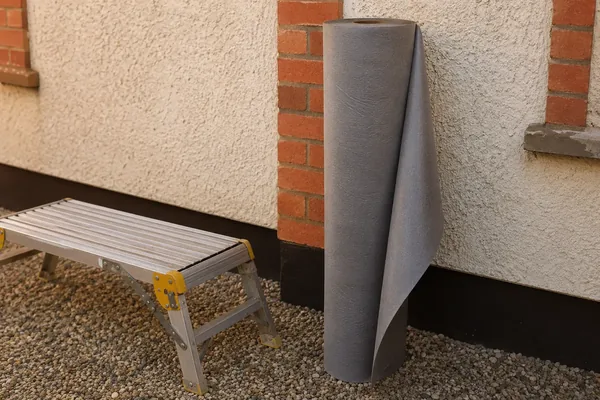
Getting a new roof or re-roofing? Sort your attic insulation at the same time
If your roof needs repair or replacement, the period while the scaffold is up is the best time to insulate the attic. Access is straightforward, there is no second mobilisation cost, and the contractor can inspect the attic while the work is already under way. Waiting until a separate visit costs more and misses the opportunity.
A roofing contractor and an insulation contractor working together or in sequence on the same scaffold is one of the most cost-effective retrofit combinations available in Ireland. The SEAI attic insulation grant of up to €1,500 applies regardless of whether you are doing other work at the same time.
If your roof has structural issues, damaged tiles, or evidence of water ingress, those need to be addressed before insulation goes in. Trapping damp under insulation causes long-term damage. For roofing repairs across all 26 counties, re-roofing and SEAI grants on roofersinireland.ie covers what to check and what to do first.
- Scaffold up: the lowest-disruption moment to insulate the attic
- Combined roofing and insulation visits save on mobilisation cost
- SEAI attic grant of up to €1,500 applies regardless of concurrent works
- Roof must be watertight before insulation is installed
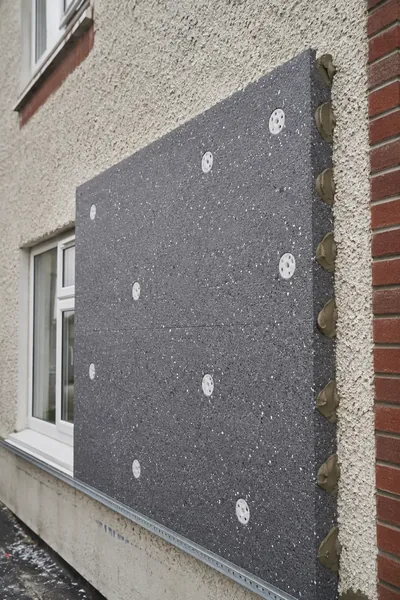
SEAI grant amounts in 2026: wall insulation, attic insulation, heat pumps and solar
Each grant covers a distinct upgrade. They stack, meaning you claim each one separately as the work is completed. All grants are deducted directly from your contractor invoice: you never pay the full amount and wait for a refund.
The right order for SEAI home energy upgrades in Ireland
Done in sequence, each upgrade improves the conditions for the next. Done out of order, you pay more and get less from every step.
Check the roof
Before any insulation goes in, a leaking roof or damaged tiles need to be sorted. Trapping moisture under insulation causes rot and condensation. If the roof is due for attention, now is the time.
Attic insulation
The quickest, cheapest upgrade and the one with the fastest payback. SEAI grant up to €1,500. Best done while the roof scaffold is up if you are also re-roofing, but it can be a standalone job at any time.
Attic insulation guide →Wall insulation
The biggest single improvement to a home's thermal performance. Choose from cavity wall (€1,700 grant), external wall insulation (€8,000 grant) or dry-lining (€4,500 grant) depending on your wall type.
Find out which grant applies →Heat pump
Once the building is well insulated, a heat pump is genuinely efficient. In a draughty home it runs constantly and drives up electricity bills. SEAI grant up to €6,500. Requires a RECI-registered electrician for the electrical connection.
Solar PV panels
With insulation and a heat pump in place, solar panels power a home that already uses far less energy. The roof must be in good condition and the electrical system sized correctly. SEAI grant up to €2,400.
Start with insulation: find an SEAI contractor in your county
Every contractor in this directory is SEAI-registered under the Better Energy Homes scheme. Browse by county and contact approved installers directly.
Frequently asked questions about SEAI home energy upgrades
Is there a right order to carry out SEAI home energy upgrades?
Yes. The SEAI and most energy advisors recommend a fabric-first approach: fix the building envelope before upgrading the heating system. Roof and attic insulation first, then wall insulation, then a heat pump or solar panels. A heat pump in an uninsulated home runs at a fraction of its rated efficiency.
Can I claim more than one SEAI grant on the same home?
Yes. You can stack multiple Better Energy Homes grants on a single property. Wall insulation, attic insulation, heat pumps and solar panels all have separate grant amounts and you can claim them together or in stages. The grants are deducted directly from your contractor invoices.
Do I need insulation before a heat pump will work efficiently?
In practice, yes. A heat pump is a low-temperature heating system designed to keep a well-insulated home warm at a steady temperature. In a poorly insulated home it runs continuously without reaching the set temperature, which drives up electricity bills and reduces the system lifespan significantly.
What trades do I need for a full SEAI home energy retrofit?
A full retrofit typically involves three trades: an SEAI-registered insulation contractor for wall and attic insulation, a renewable heating installer for the heat pump or solar panels, and a RECI-registered electrician for the electrical connection of the heat pump and any solar PV system.
How much can I claim in total across all SEAI grants?
In 2026: external wall insulation up to €8,000, dry-lining up to €4,500, cavity wall up to €1,700, attic insulation up to €1,500, heat pump up to €6,500, solar PV up to €2,400. A homeowner doing a full retrofit can claim over €20,000 in total SEAI grant funding across the programme.
Do I need a BER assessment before I can apply for an SEAI grant?
No. A BER assessment is required after the works are complete, not before. Your SEAI-registered contractor arranges the post-works BER as part of the grant application process. You do not need to get a BER done in advance before contacting a contractor.
Guides for Irish homeowners planning a home energy upgrade
Use these guides to understand the costs, grants and process for each upgrade before you contact a contractor.
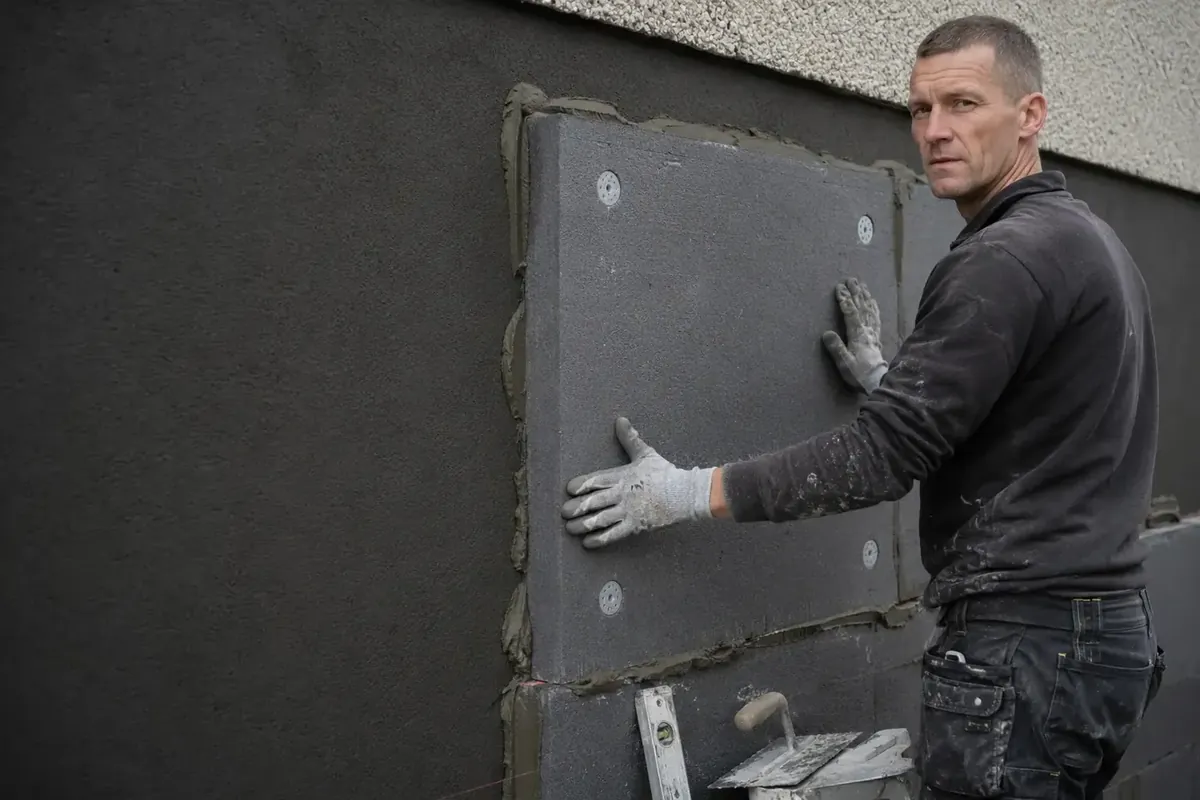
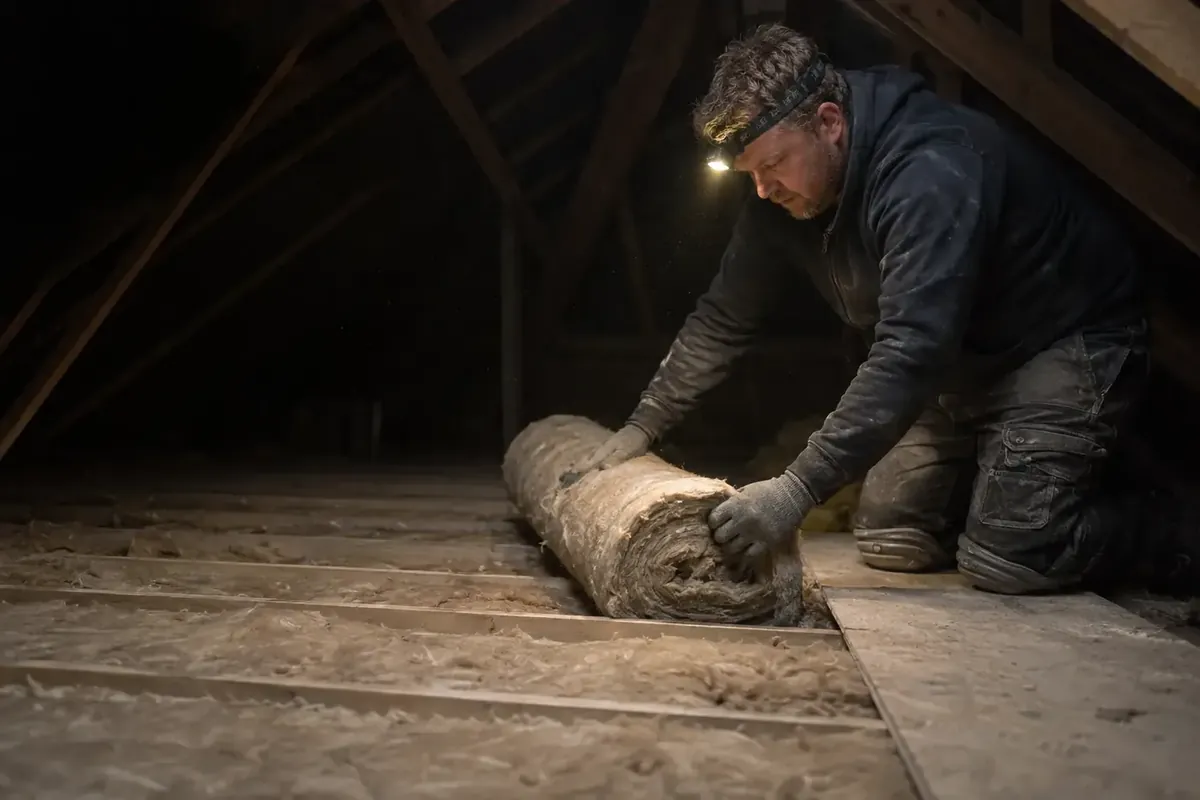
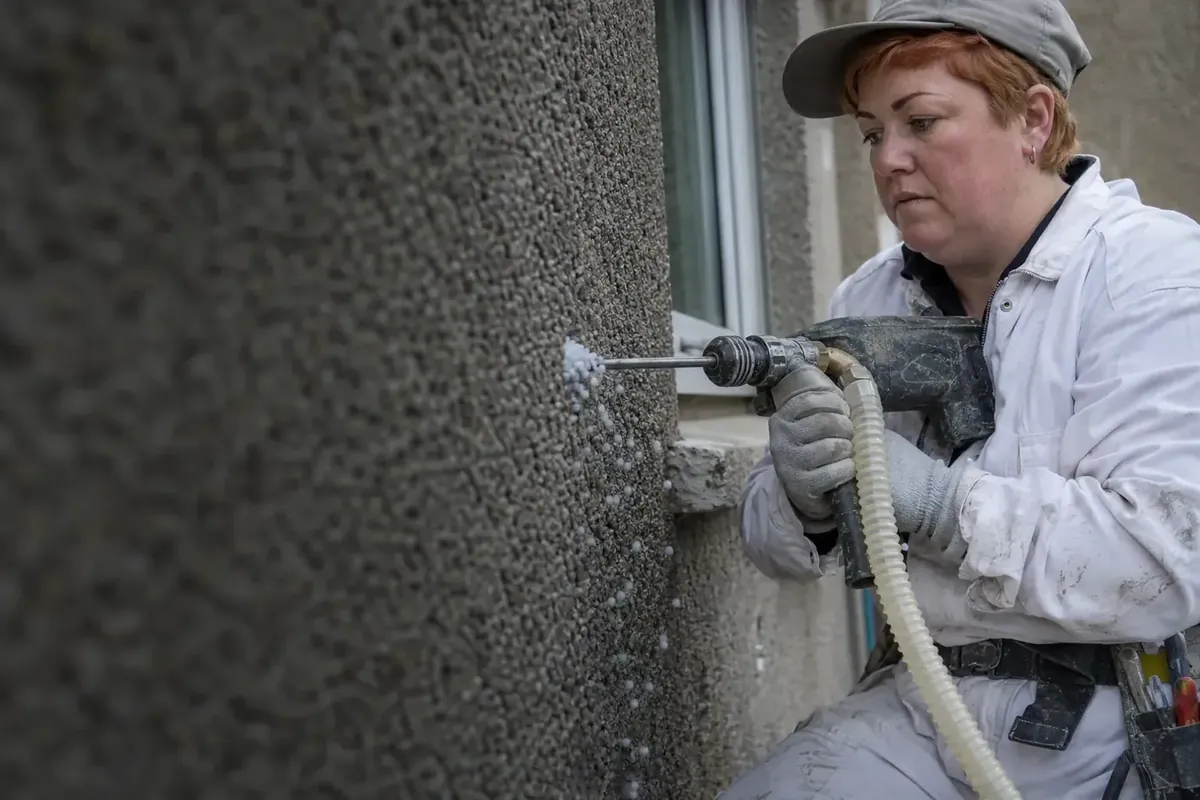

Find an SEAI wall insulation contractor near you
Browse SEAI-approved contractors across all 26 counties. Free to use, no sign-up required.
Free to use. No sign-up required.
Start your SEAI home energy upgrades with wall insulation
SEAI home energy upgrades in Ireland begin with the fabric of the building. Find an approved insulation contractor in your county, check your grant entitlement and get quotes before the work begins.